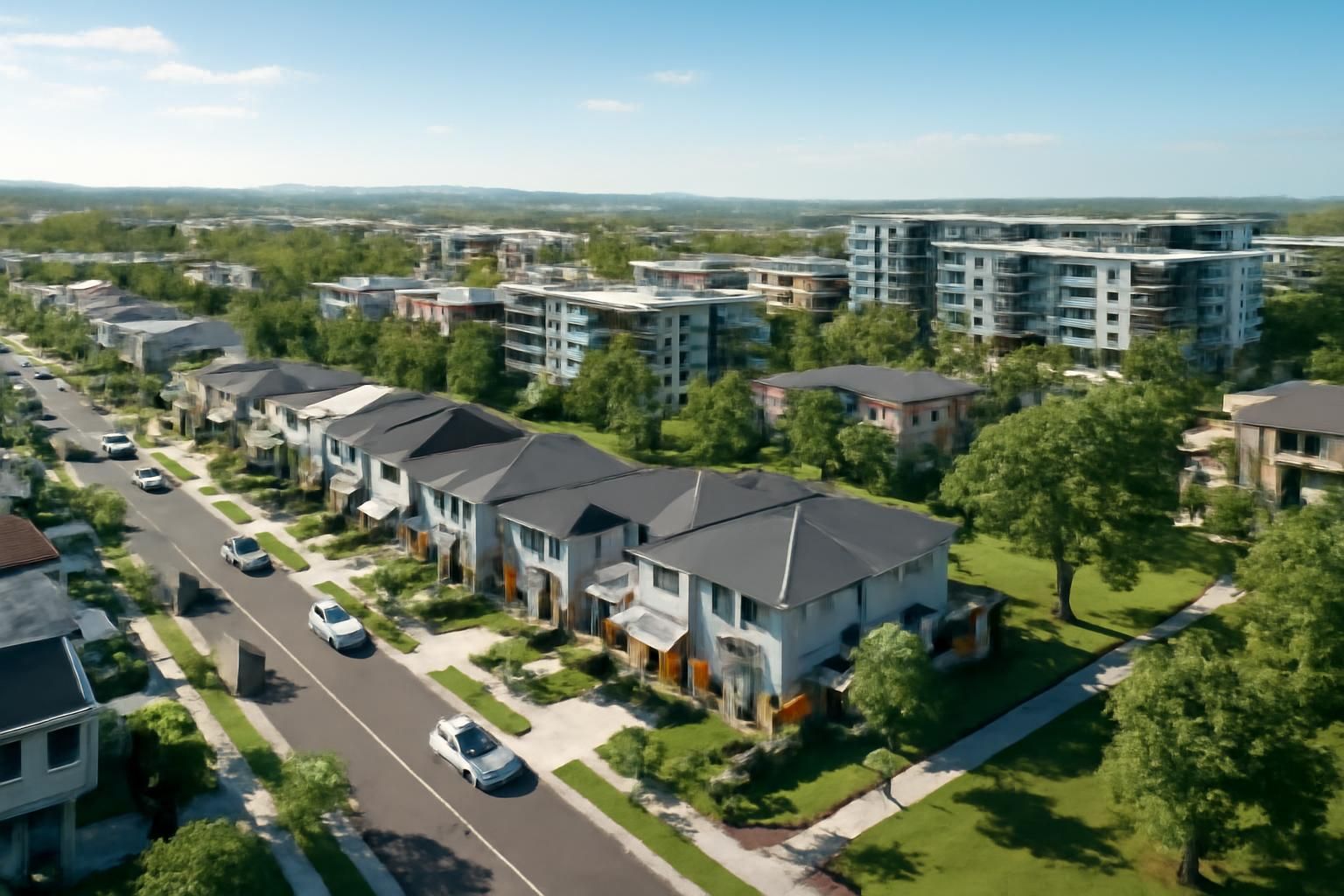
Brisbane, Australia’s vibrant and growing capital of Queensland, has taken center stage in the national property market, claiming the title of the second most expensive real estate market in the country for the first time in over 25 years. This rise reflects a backdrop of varied growth across the city’s residential areas, where some suburbs are witnessing explosive housing growth while others remain more stable or even decline slightly. With an influx of new residents driven by both interstate and overseas migration, Brisbane’s suburbs are evolving rapidly, creating a dynamic landscape for property investment.
Market trends in the Brisbane real estate sector highlight a notable distinction between affordable outer-city suburbs and traditionally affluent inner-city areas. Affordable suburbs are currently experiencing intense competition and remarkable property price appreciation, offering exciting prospects for investors and first-home buyers alike. Meanwhile, some more exclusive neighborhoods are exhibiting muted increases or even a slight downturn in prices, indicating a nuanced and multi-faceted residential market.
- Brisbane leads Australia’s property market resurgence, becoming the second most expensive city for real estate.
- Affordable outer-suburbs are experiencing unprecedented price growth, far outpacing inner-city markets.
- Population growth fueled by interstate migration and net overseas arrivals is dramatically swelling demand.
- Infrastructure projects like Cross River Rail and preparations for the 2032 Olympics are catalyzing urban development.
- Housing shortage, especially in apartment supply, creates pressure on rental markets with vacancy rates below 1%.
Dissecting Brisbane’s Property Market: How Population Growth Fuels Housing Demand
Understanding the incredible pace of Brisbane’s housing growth requires looking closely at its demographic drivers. Population growth has become the heartbeat of the city’s real estate dynamics. In 2023 alone, net overseas migration contributed more than 51,000 new residents, while net interstate migration added an additional 15,000 people moving in from other parts of Australia.
This unprecedented inflow of people is a powerful catalyst for the real estate market, pushing demand across a broad spectrum of housing types. Young professionals, families, students, and retirees seeking lifestyle appeal are all contributing to expansion. Suburbs that provide connectivity, amenities, and affordable housing options are particularly favored, fuelling rapid appreciation in these areas.
The housing stock, however, is struggling to meet this surge. With fewer than 7,500 new attached dwellings needed annually and construction output lagging behind, the shortage of apartments and affordable homes in Brisbane is stark. The current construction pipeline cannot fill the gap, leading to vacancy rates dropping as low as 0.7% in recent years and remaining under 1% today.
This mismatch between demand and supply creates upward pressure on prices and rental yields, especially in suburbs offering affordable access to employment centres or lifestyle advantages, and is a key reason why Brisbane’s fastest growing suburbs shine brightest at the more affordable, outer edges of the metropolitan area.
The Role of Infrastructure and Urban Development in Property Growth
Major urban development projects are reshaping the landscape, driving property values higher in targeted suburban areas. Investments such as the Cross River Rail, a major underground rail project enhancing connectivity through Brisbane’s inner city and surrounding suburbs, are set to conclude this year and are already influencing real estate trends.
Additionally, Brisbane prepares for the 2032 Olympics, triggering infrastructure builds and upgrades across the city and its residential corridors. These developments promise improved transport, new public amenities, and enhanced lifestyle opportunities, making nearby suburbs more attractive for both residents and investors.
Suburbs benefitting from these infrastructure upgrades tend to see strong price growth and increased rental demand. For example, suburbs like Chermside and South Brisbane, with direct access to these projects, are experiencing a surge in both housing growth and investor interest, underlining how urban development drives property market dynamics in Brisbane.
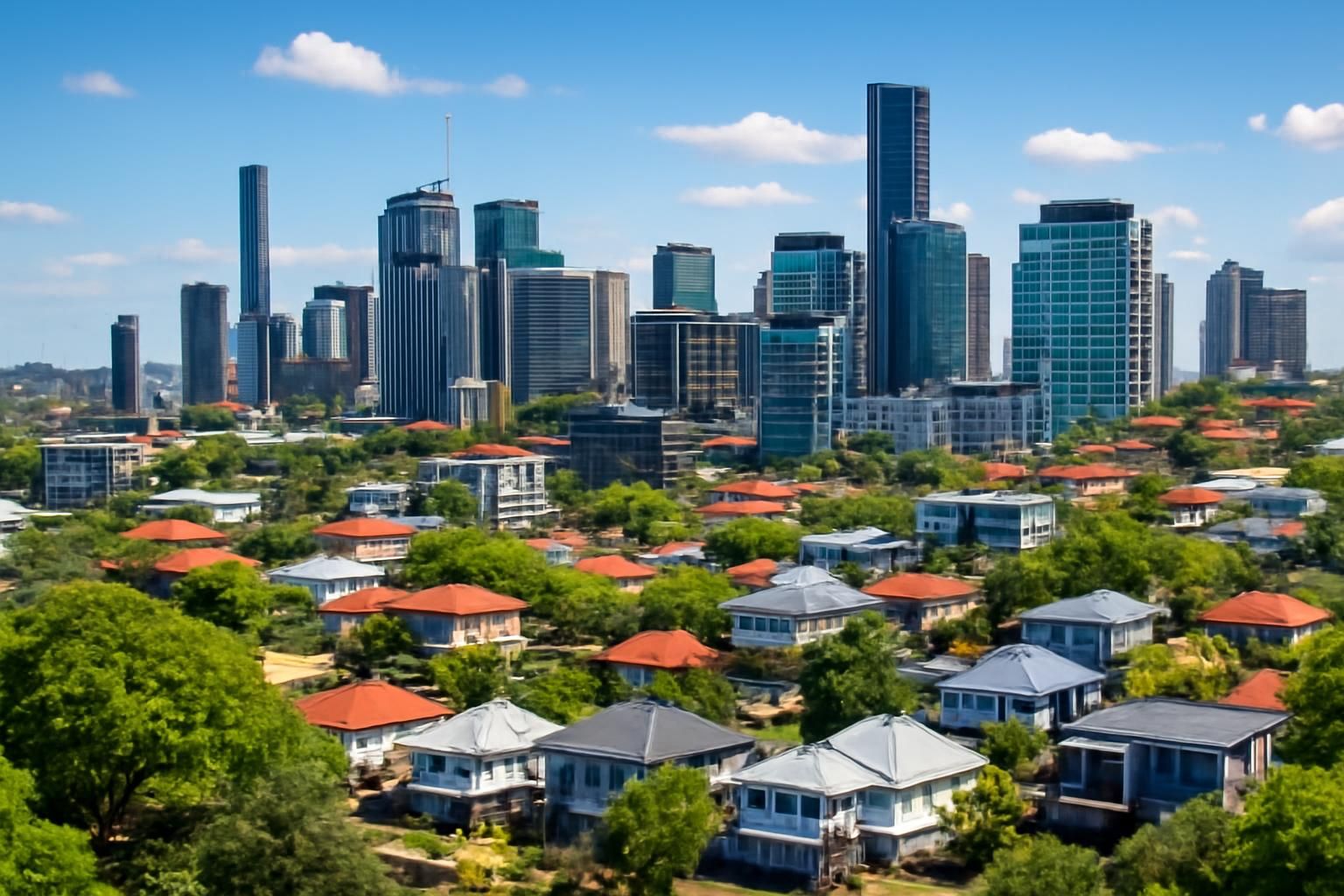
Top Performing Suburbs for Houses: Where Growth Meets Affordability
Brisbane’s housing market is far from uniform, with certain suburbs emerging as standout performers in value growth. Logan Central, situated in Brisbane’s southern outskirts, is leading with an impressive 29.3% growth in home values over the past year. This translates to an increase of over $138,000 on the median house price, now reaching $610,000.
The northern suburbs around Chermside have also delivered remarkable growth. Thanks to strong economic activity, excellent transport hubs, and retail precincts, these areas have seen houses appreciate by nearly $200,000 in just a year. This growth is significant when contrasted with inner-city suburbs such as St Lucia and Ascot, where house prices have experienced slower growth or slight declines due to their already high price base.
Interestingly, the list of Brisbane’s top 20 fastest-growing house suburbs includes many that remain below the city-wide median house price of $937,479, suggesting robust demand for affordable housing. Investors and homeowners keen on capital growth are increasingly looking towards these emerging residential areas as the next frontier.
High-End Suburbs: Stability or Slowdown?
In contrast to the affordable outer zones, prestigious neighborhoods like Ascot and New Farm show a more cautious property market performance. While these areas maintain strong lifestyle appeal and historical reliability as investment choices, quarterly growth rates have tapered and median prices hover at much higher levels.
For example, Ascot’s median house price sits around $2.4 million but has only grown by 3.3% in the past year and slightly declined recently, illustrating a market where buyer caution increases at higher price points. This pattern highlights a trend towards affordability as a key determinant of growth potential in the current climate.
Exploding Unit Markets: Affordable Apartments Driving Rental Yields
The unit market in Brisbane tells an equally compelling story. Most of the fastest growing apartment markets are clustered around the Logan-Beaudesert region, led by Bethania, where unit values have soared by 37% annually. Apartments here now offer substantial rental yields and significant capital appreciation opportunities.
Affordability fuels this growth, with many of Brisbane’s top unit markets priced well below the median city-wide unit price. This dynamic is buttressed by the acute shortage of apartment supply. According to the Property Council of Queensland, current and planned apartment developments fall significantly short of meeting annual demand requirements, escalating market competition even further.
Rental vacancy rates are critically low across Brisbane, intensifying demand among tenants especially in suburbs close to employment, education, and lifestyle hubs. Suburbs such as South Brisbane are notable for commanding gross rental yields approaching 5%, making them prime choices for investors focusing on income generation from properties.
Understanding the Construction Shortfall and Its Market Impact
The deficiency in apartment construction is not only about raw numbers but reflects regulatory, land, and development challenges as well. Stringent zoning laws and a cautious lending environment have slowed the introduction of new apartment buildings, limiting supply growth in an already tight market. As a consequence, rental markets remain fiercely competitive, with vacancy rates below 1%, exerting upward pressure on rents and enhancing the attractiveness of unit investments.
Key Suburbs to Watch: Insights for Investors and Home Buyers
Identifying the best Brisbane suburbs to invest in requires a balanced understanding of market fundamentals and growth drivers. Chermside, Carina Heights, Mount Gravatt, and Wynnum stand out due to their blend of infrastructure, lifestyle, affordability, and population growth. These suburbs attract young families, professionals, and students, creating diversified demand and solidifying their market positions.
For those seeking more affordable entry points with excellent long-term capital potential, emerging suburbs like Narangba and Ripley in Brisbane’s northern and western corridors offer substantial appeal. These areas benefit from master-planned communities, transport access, and significant infrastructure investments.
On the prestige end, neighbourhoods such as New Farm and Indooroopilly continue to attract investors interested in capital preservation and lifestyle benefits, complementing the spectrum of investment options across the city.
| Suburb | Median House Price | Median Unit Price | Annual Growth Rate (%) | Rental Yield (Units %) |
|---|---|---|---|---|
| Chermside | $1,200,000 | $640,000 | Strong (approx. 15-20%) | 4.2 |
| Mount Gravatt | $1,100,000 | $620,000 | Moderate (10-15%) | 4.2 |
| Narangba | $850,000 | N/A | High (over 15%) | 4.2 |
| Ripley | $750,000 | N/A | Very High (over 20%) | 4.5 |
| New Farm | $2,800,000 | $800,000 | Stable (low single digits) | 3.8 |
Balancing Investment Priorities: Capital Growth vs. Rental Yields
An important strategy consideration for property investors in Brisbane is balancing between suburbs that offer strong capital growth and those that provide reliable rental yields. Suburbs like Carina Heights and Indooroopilly appeal more to investors focused on long-term equity appreciation due to their established reputations and steady growth.
Meanwhile, areas such as Ripley and South Brisbane offer compelling rental returns, with gross yields pushing 4.5% or higher, boosted by strong rental demand and affordable prices. These markets are particularly attractive for investors seeking positive cash flow or faster payback on property investments. Understanding and aligning a chosen suburb with personal investment goals is critical.
Targeting Affordability While Embracing Growth
Despite rising median home values, Brisbane’s property market still features pockets of opportunity for investors and first home buyers seeking affordability without compromising growth potential. Focusing on suburbs currently trading below the metro median but showcasing signs of infrastructure upgrades and population influx can deliver substantial returns over time.
Government incentives such as increased Stamp Duty free thresholds for first-time buyers are likely to boost activity in these affordable zones further, driving demand and price appreciation in tandem. Suburbs like Forest Lake and Narangba exemplify this strategic sweet spot between accessible pricing and high upside potential.
Future Outlook for Brisbane’s Residential Real Estate Market
Brisbane is poised to maintain its trajectory as one of Australia’s most promising real estate markets in the coming years. The confluence of rapid population growth, infrastructural advancements, and constrained housing supply underpins a strong growth foundation for various property types across diverse suburbs.
As Brisbane continues its urban development journey, suburbs aligned with major transport corridors, educational institutions, and lifestyle precincts will see sustained demand. Investors and homebuyers must stay informed of market trends and local developments to capitalize on emerging opportunities and mitigate risks, particularly with macroeconomic factors such as interest rates and policy changes continuing to influence market momentum.
With comprehensive analysis and expert insights, navigating Brisbane’s fastest growing suburbs will remain an essential strategy for securing valuable property assets while participating in Australia’s dynamic housing market rebound.
How to Choose the Right Brisbane Suburb for Your Investment
Picking the best suburb in Brisbane involves more than tracking headline growth statistics. Successful investment depends on an in-depth understanding of supply-demand dynamics, demographic appeal, infrastructure development, and market stability. Matching your financial goals—whether capital growth, income generation, or lifestyle preferences—with local market conditions is paramount.
It’s advisable to:
- Evaluate the suburb’s recent price trends and forecasted growth.
- Consider the suburb’s rental yield and tenant demand.
- Analyze infrastructure projects and their timelines.
- Assess demographic trends and community profiles for sustainability.
- Review government policies and incentives impacting affordability.
Working with experts such as mortgage brokers and real estate advisors can amplify the decision-making process. For comprehensive guidance, explore detailed resources like Brisbane’s top suburbs primed for growth and fastest growing suburbs in Queensland to gain deeper insights.
Understanding Risks and Market Cycles in Brisbane Real Estate
While the outlook remains optimistic, investors must heed the cyclical nature of real estate markets. Economic shifts, interest rate movements, and policy reforms can rapidly affect property values and rental conditions. Brisbane has shown resilience, but even high-performing suburbs can face periods of flattening or correction.
It’s also vital to diversify investments and avoid concentrating solely on extremely high-growth suburbs that may be more volatile. Ensuring property investments align with a long-term horizon helps manage market cycle risks and take full advantage of Brisbane’s overall upward trajectory in residential real estate.
Timing, research, and strategic planning underpin successful investment journeys in Brisbane’s competitive property market environment.
What factors have made Brisbane one of the fastest growing property markets in Australia?
Brisbane’s property market growth is driven by strong population inflows from interstate and overseas, major infrastructure investments like the Cross River Rail and 2032 Olympics preparations, and an undersupplied housing market, especially in affordable suburbs.
Which Brisbane suburbs offer the best balance of capital growth and rental yield?
Suburbs such as Chermside, Mount Gravatt and Carina Heights provide balanced growth and rental yields, while Ripley and South Brisbane are attractive for investors prioritizing rental income with high yield potential.
How does infrastructure development impact property prices in Brisbane?
Infrastructure projects improve accessibility, lifestyle, and amenity, which increases buyer demand and property values in beneficiary suburbs, as seen with Cross River Rail and Olympic-related upgrades.
Is Brisbane a good place for first home buyers and affordable investment?
Yes, suburbs like Narangba, Forest Lake, and Ripley offer affordable housing options with strong growth prospects, supported by government incentives like increased stamp-duty free thresholds.
How can I make informed property investment decisions in Brisbane?
Utilizing up-to-date market data, consulting professionals such as mortgage brokers, and considering local infrastructure and demographic trends are key to choosing the right suburb aligned with your investment goals.