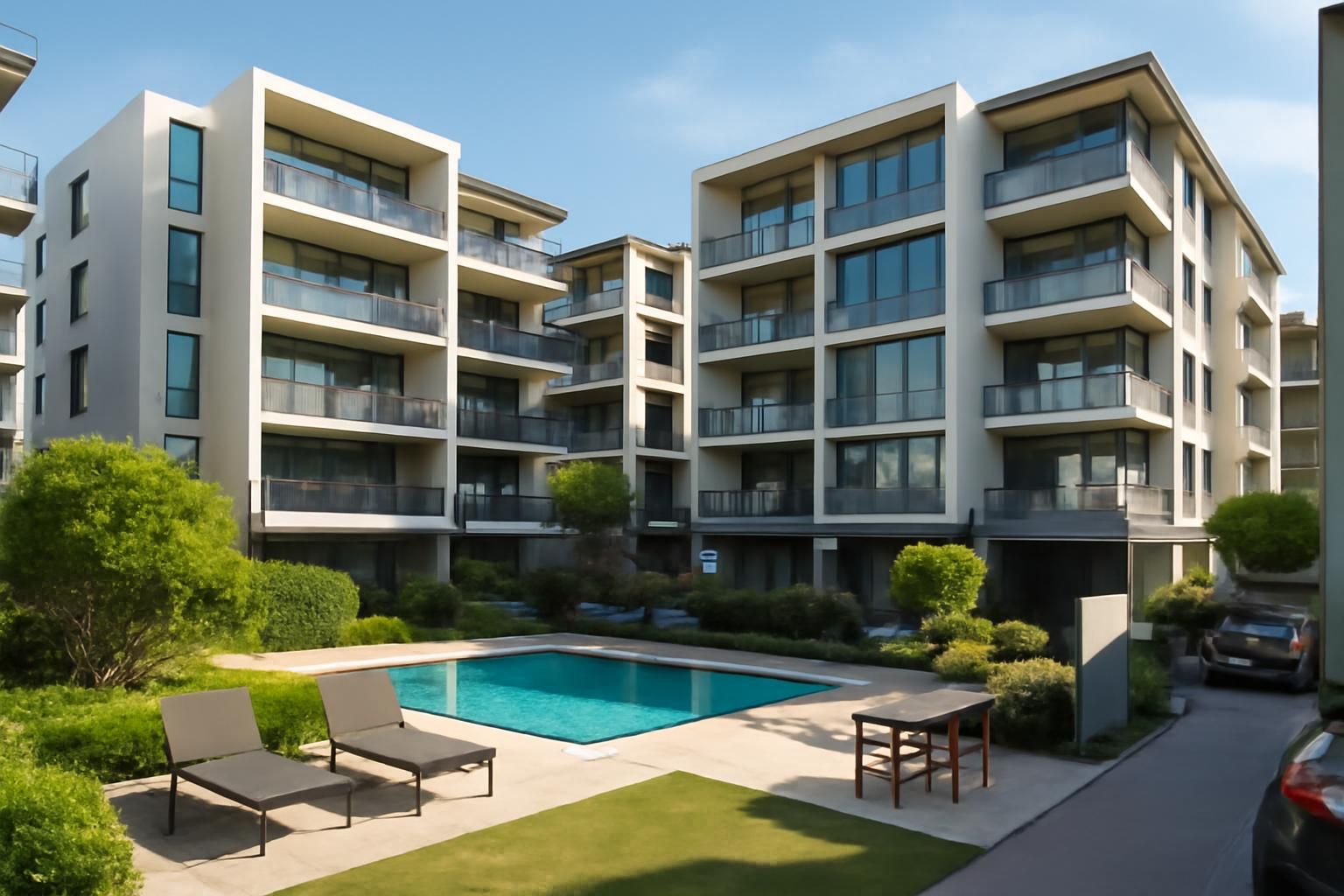
Strata properties have become a defining feature of Brisbane’s real estate landscape, offering a distinctive fusion of community living and individual ownership rights. Particularly attractive to first-time buyers and investors, these properties provide access to many shared amenities and reduced maintenance responsibilities, setting them apart from traditional free-standing homes. Yet, as with any housing choice, they come with unique challenges that influence lifestyle, costs, and property value over time.
Whether you are considering strata title ownership as part of your investment portfolio or searching for an affordable residence in a bustling city like Brisbane, understanding the detailed pros and cons is crucial. The balance between strata by-laws and communal decision-making often shapes residents’ everyday experiences, while maintenance fees and the governance style of the property’s management impact long-term financial commitments. This comprehensive exploration uncovers what buyers and residents need to know before engaging with strata properties in Brisbane.
The Fundamentals of Strata Title Ownership in Brisbane
In Brisbane’s urban context, strata title ownership applies to building complexes where individuals own their private units or lots, such as apartments, townhouses, or villas, while sharing ownership and responsibility for common areas. These common areas include gardens, recreational facilities, hallways, and sometimes structural elements of the building itself.
Unlike owning a free-standing home on Torrens title, strata owners have shared interests governed by a legal entity known as the owners corporation or body corporate. This group, composed of all unit owners, is responsible for managing communal spaces, handling finances, and enforcing strata by-laws developed to maintain order and harmony within the complex.
Understanding these governance structures is key to grasping the nature of investment and lifestyle choices associated with strata properties. Brisbane real estate with strata title offers a blend of individual rights and collective responsibilities, requiring owners to cooperate on maintenance fees, decision-making, and dispute resolution.
This system provides an excellent opportunity for people to live in areas they might not otherwise afford, as strata properties typically present lower entry prices compared to detached houses. However, it also demands a different approach to property management and community relations, pivotal in maintaining property value and living quality.
Understanding Strata Maintenance Fees and Financial Commitments
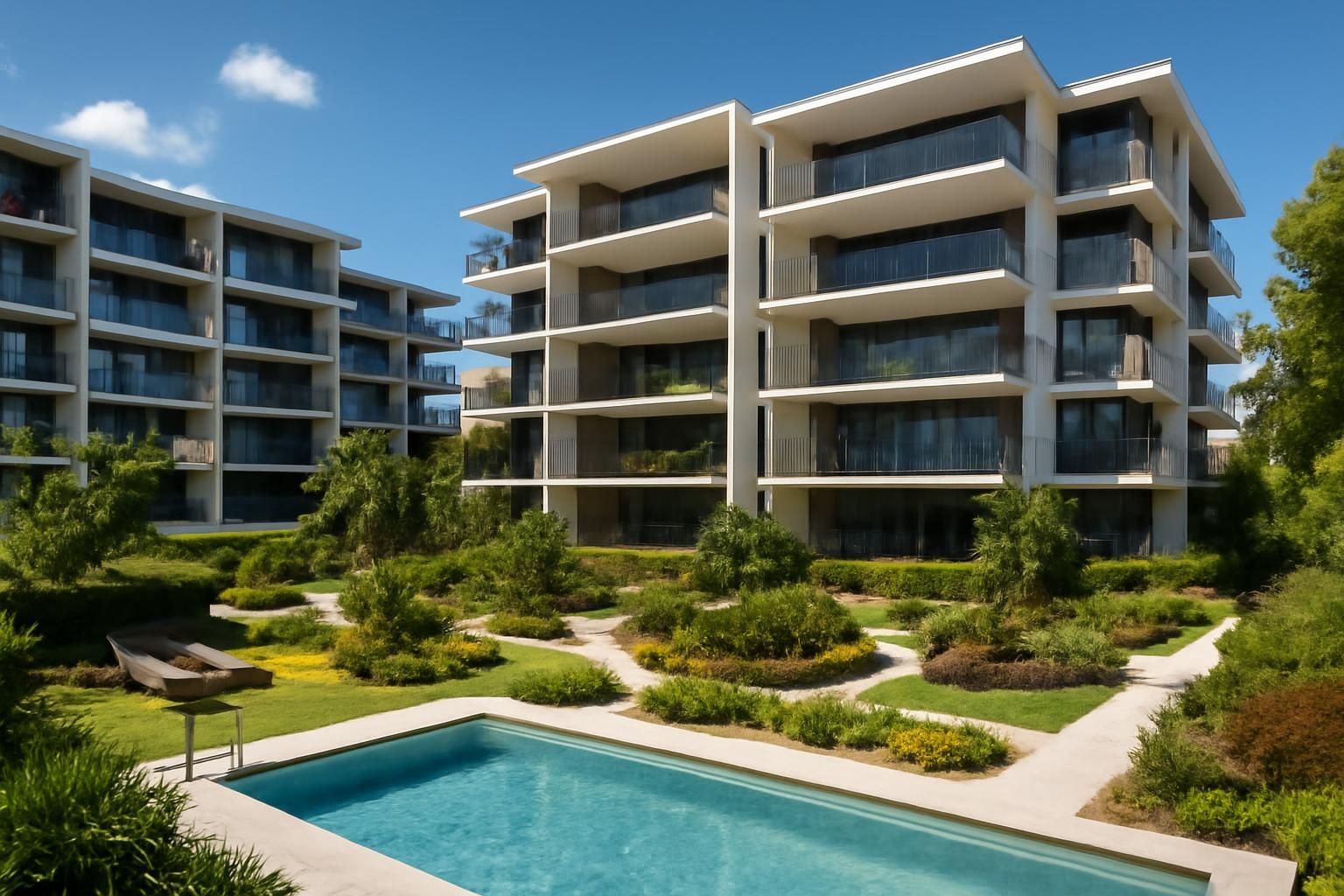
One of the most significant considerations for potential buyers is the ongoing maintenance fees associated with strata properties. These fees cover the upkeep of common areas, building insurance, administration costs, and contributions to sinking funds, which are reserved for long-term repairs and capital improvements.
In Brisbane, strata fees can vary widely based on the size of the complex, its amenities, and the management arrangements. Some complexes might require fees as low as $400 per quarter, while larger developments with pools, gyms, and extensive landscaping may see quarterly fees running into the thousands of dollars.
Unlike standalone homes where owners handle all maintenance, strata owners share responsibilities, thereby reducing individual burdens. However, these fees must be paid regardless of whether an owner uses the common facilities, which is a critical point for many when weighing investment pros and cons.
In addition to regular fees, owners might face special levies if unexpected major repairs arise, such as roof replacement or structural work. Proper financial management and transparency by the owners corporation are essential to avoid sudden financial shocks.
Prospective buyers should scrutinize strata reports and financial statements before purchasing, as these documents provide insight into the complex’s fiscal health, any pending works, and historical expenditure—vital information for assessing future costs and investment viability.
Breakdown of Typical Strata Fees
| Fee Type | Description | Purpose |
|---|---|---|
| Administrative Fund | Regular fees | Covers day-to-day expenses like cleaning, gardening, insurance administration |
| Capital Works (Sinking Fund) | Long-term contributions | Set aside for major repairs and upgrades |
| Special Levies | Occasional charges | Unforeseen major expenses or projects |
Community Living and Strata By-laws: Navigating Social Dynamics
Living in a community living setting like a strata complex involves a balance of communal benefits and social limits. Strata by-laws regulate many aspects of day-to-day life, including noise restrictions, pet ownership, use of common areas, renovations, and parking.
For instance, pets may be allowed but often require approval, and loud or exotic animals might be restricted due to noise or disturbance concerns. Business activities within units may also be curtailed to uphold residential amenity.
Residents in Brisbane strata complexes often find that such regulations foster community harmony and protect property values but might also feel restrictive. The enforcement of these by-laws by the owners corporation can sometimes lead to disputes, which require careful mediation.
The effectiveness of by-law management often depends on the proactive involvement of the strata committee and the extent to which residents participate in meetings and governance. Transparent communication and respectful compromises are key to enhancing the living experience.
Examples of Common Strata By-laws in Brisbane
- Restrictions on keeping pets, including size and type limitations
- Noise control policies, especially during night hours
- Guidelines for renovations and alterations within lots
- Use and access rules for shared facilities like pools and gyms
- Waste disposal and recycling regulations
Strata Property Investment Pros: Affordability and Amenities
From an investment perspective, strata properties in Brisbane have several benefits that attract both local and international buyers. One prominent advantage is greater affordability compared to free-standing homes in desirable urban areas. This makes entering the property market more accessible, especially in high-demand suburbs.
Shared facilities such as swimming pools, fitness centers, and secure parking add considerable value to strata units. These amenities, maintained by collective funds, enhance residents’ lifestyles without the individual financial burden.
Additionally, the owners corporation’s responsibility for external building upkeep and insurance reduces the stress on individual owners and stabilizes property appearance and quality, factors that positively impact property value.
Brisbane’s growing population and urbanisation trends contribute to steady demand for strata properties. Many investors view these units as a viable rental option due to their proximity to business hubs and public transport.
Moreover, strata ownership often fosters a sense of security and community, which broadens appeal to renters and owners alike, thereby ensuring liquidity and price resilience in the market.
Challenges of Strata Ownership: Restrictions and Risks
While strata title properties offer unique advantages, they come with inherent constraints. Owners relinquish some individual autonomy over their property, especially regarding external modifications or usage of common areas. The requirement to conform to the strata committee’s decisions and by-laws can occasionally generate dissatisfaction.
The denser living arrangements typical in strata communities can lead to increased noise complaints and neighbor disputes. The proximity to others means that lifestyles and habits become more interdependent, highlighting the importance of cooperative living.
Financially, the unpredictability of special levies and the necessity of continuous payment of maintenance fees can affect investment returns. Failure to pay these levies can lead to legal action by the owners corporation and impact property value adversely.
Furthermore, not all strata complexes operate with equal efficiency. A poorly managed body corporate may result in increased fees, unresolved maintenance issues, and a degraded community atmosphere. Buyers must research these factors thoroughly to avoid costly pitfalls.
Comparing Strata Title with Free-standing Homes in Brisbane Real Estate
When deciding between strata and traditional Brisbane real estate, buyers face distinct considerations. Strata properties typically represent a more economical entry point, appealing to buyers prioritizing location and lifestyle amenities over expansive private land.
Conversely, free-standing homes offer greater independence, privacy, and direct control over maintenance decisions but often come with higher purchase prices and increased upkeep commitments.
The choice ultimately revolves around personal preferences and financial goals. Those who value a manageable lifestyle and access to community facilities may lean towards strata living, whereas individuals desiring autonomy and extensive outdoor space might prefer a standalone property.
Exploring detailed comparisons and consulting with property management and real estate experts can assist in making well-informed decisions aligned with individual circumstances.
Essential Tips Before Buying a Strata Property in Brisbane
Engaging with professional advice is indispensable when considering a strata purchase. Buyers should always obtain a comprehensive strata inspection report carried out by qualified strata inspectors. These reports highlight potential issues such as building defects, financial anomalies, and previous or ongoing disputes within the owners corporation.
Inspecting the overall condition of common areas, reviewing meeting minutes, and assessing the engagement level of the strata committee can reveal much about the complex’s management quality.
A well-run strata property is often reflected in clean, well-maintained communal spaces and a transparent communication channel among residents and managers. Conversely, neglected common areas might indicate future headaches.
Checking the sinking fund’s status is critical; either a very low or excessively high balance could suggest potential financial risks or unresolved major fault repairs, as seen in some Brisbane examples where large sums were compensated due to construction defects.
Ultimately, undertaking thorough due diligence can protect buyers from unforeseen expenses and social challenges, thus safeguarding both lifestyle satisfaction and property value.
Navigating Legalities and Strata Property Management in Brisbane
Legal considerations play a fundamental role in strata property ownership. Understanding the framework surrounding property management under strata law is crucial for compliance and safeguarding investments.
Strata ownership in Brisbane is governed by the Queensland Body Corporate and Community Management Act, which outlines owners’ rights, obligations, dispute resolution mechanisms, and the operation of owners corporations.
Before finalizing a purchase, consulting experienced legal advisors familiar with strata law can clarify the obligations tied to the strata by-laws, special levies, and governance structures. Legal advice is also vital when navigating complicated issues such as pet approvals, renovations, or disagreements between owners.
Effective strata property management involves appointing professional strata managers who oversee financial administration, maintenance coordination, and enforcement of by-laws. Selecting complexes with reputable management enhances overall living conditions and protects investment by maintaining property value.
For detailed guidance on intricacies of buying strata property, resources such as legal advice on strata buying may prove invaluable. Similarly, understanding the benefits and pitfalls through expert commentary at strata expert analysis helps build confidence in your investment decisions.
Visual guides and real-life examples complement understanding of the strata living system in Brisbane, offering practical perspectives on ownership responsibilities.
Maximizing Investment Potential in Brisbane Strata Properties
Investors interested in Brisbane strata properties should focus on selecting well-managed complexes with sustainable financial plans, appealing amenities, and strong community engagement. These factors contribute to maintaining or improving property value over time.
Due diligence is paramount: evaluating the local market, scrutinizing recent sales data, and analyzing buyer trends gives investors a competitive edge. Brisbane’s evolving suburbs often see increased interest in strata dwellings, especially with enhancements in public transport and infrastructure.
Furthermore, engaging with expert local agents familiar with strata property dynamics ensures access to reputable complexes and assists in navigating potential legal and financial complexities.
Beyond the typical risks like special levies and noise disputes, savvy investors can leverage strata properties for diversified portfolios offering balanced affordability and long-term capital growth.
What are strata fees, and what do they cover?
Strata fees are regular payments made by owners to cover maintenance of common areas, insurance, administrative costs, and contributions to future repairs through sinking funds.
Can I have pets in a strata property in Brisbane?
Pet ownership is typically allowed but is regulated by strata by-laws. Approval is often required, with restrictions on the type, size, and behavior of animals to ensure community harmony.
How do I know if a strata property is a good investment?
Reviewing the strata report, financial statements, condition of common areas, and management quality are essential steps to assess the investment potential.
What happens if I don’t pay my strata fees?
Non-payment of strata fees can lead to penalties, legal action by the owners corporation, and potentially a lien on the property, affecting its value and saleability.
Are strata properties more affordable than free-standing homes in Brisbane?
Generally, strata properties offer a lower purchase price and shared maintenance responsibilities, making them more affordable options in urban Brisbane compared to free-standing homes.