
Purchasing property in Brisbane represents a significant financial decision that extends well beyond the agreed purchase price. Savvy buyers recognize that understanding the comprehensive array of real estate taxes and property fees is essential to prevent unexpected expenses and to formulate a measured budget. Brisbane’s dynamic property market, influenced by evolving real estate regulations and local government policies, requires prospective homeowners and investors to delve deeper into the hidden costs associated with property transactions. Being aware of these factors not only ensures compliance but also empowers buyers to invest confidently and strategically.
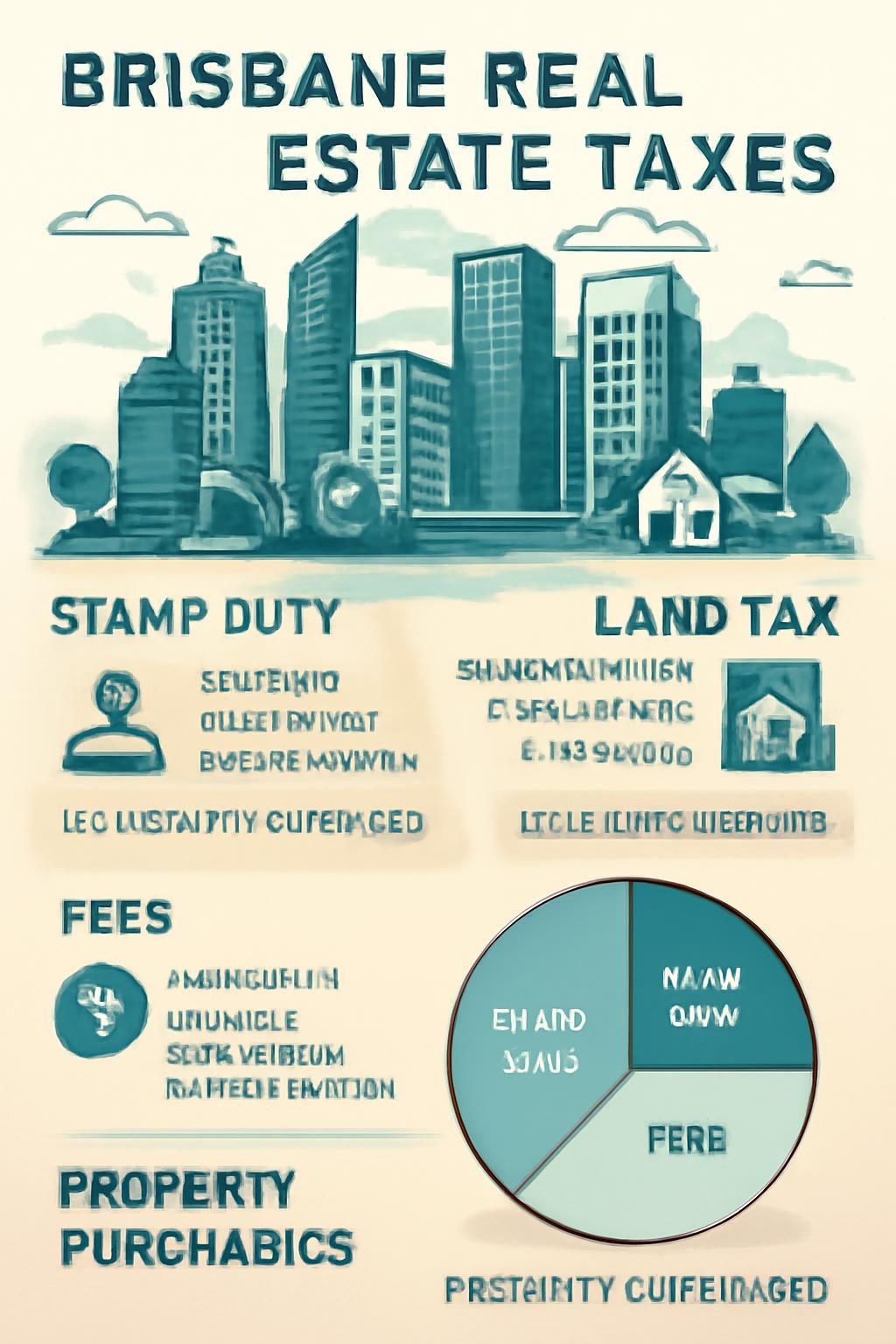
- Stamp duty and land tax in Queensland are significant considerations that add thousands to property costs.
- Legal fees and conveyancing services form essential parts of the property transfer process in Brisbane.
- Property inspections and valuations provide necessary safeguards and influence mortgage approvals.
- Additional hidden expenses such as lender fees, mortgage insurance, and moving costs must be anticipated for accurate budgeting.
- Understanding these expenses helps buyers avoid financial stress and enables smoother property acquisitions.
Diving Deep into Brisbane’s Stamp Duty and Property Tax System for 2026
Stamp duty remains one of the most critical and often costly elements of property acquisition in Brisbane and across Queensland. This government-imposed tax significantly affects the final investment outlay. Calculated based on the property’s market value, stamp duty rates change depending on whether the property is residential or commercial, new or existing, and whether the buyer qualifies for any concessions. For instance, first-home buyers may benefit from certain exemptions or reductions, which can make a material difference in upfront costs.
The Queensland government structures stamp duty on a sliding scale, which reflects the varying thresholds of property values. In practice, this means a higher-priced property incurs a proportionately larger duty. According to current guideline trends in 2026, buyers should anticipate stamp duty fees ranging from 1.5% to over 5% of the property purchase price, though the exact rate can fluctuate based on government policy updates throughout the year.
Furthermore, complementary to stamp duty is the land tax, an ongoing tax applying annually to property owners whose land value exceeds a defined exemption threshold. Though land tax is typically the responsibility of investment property owners rather than primary residents, understanding this tax is crucial for anyone involved in property investment in Brisbane. Land tax calculations consider the unimproved value of the land, and the rates increase progressively depending on the total taxable land value owned in Queensland. This tax directly influences profitability and holding costs, making it essential to forecast early on.
In combination, these taxes form the foundation of Brisbane’s property taxation environment, impacting decisions ranging from budgeting for a first home to strategizing large-scale real estate investments. To navigate these taxes effectively, prospective buyers are advised to use official calculators and consult professionals who understand the nuances of real estate taxes to avoid surprises at settlement.
Essential Legal Fees and Conveyancing Costs When Purchasing Property in Brisbane
Legal fees associated with Brisbane property transactions constitute a critical, though sometimes overlooked, segment of the home buying budget. Conveyancing—the legal process involved in transferring property ownership—requires specialized expertise to manage complex documentation, title searches, contract reviews, and settlement procedures. Failing to allocate adequate funds for these services may result in costly legal complications or transaction delays.
Professional conveyancers and solicitors in Brisbane typically charge fees based on the property’s value and the complexity of the transaction. Standard legal fees can range from several hundred to a few thousand Australian dollars, which are necessary for verifying the property’s legal status, facilitating title transfers, and ensuring regulatory compliance. Additionally, there are service fees imposed by the Queensland Land Registry for title registration, further contributing to the overall legal expenditure.
Why does this process matter so much? Conveyancing professionals are your safeguards against potential property disputes or hidden encumbrances. For example, if a title search reveals unresolved liens or easements, your lawyer or conveyancer helps negotiate these issues before you commit fully. This preventative action preserves your investment security and peace of mind.
According to legal experts, unexpected legal costs can burden buyers without clear upfront explanations. Aligning your legal expenditure with reputable providers experienced in Brisbane’s property market ensures adherence to all real estate regulations and smooth transactional progression. For detailed insights on conveyancing in Queensland, reviewing resources such as expert blogs and local law firms’ guides is invaluable.
How Building Inspections and Property Valuations Affect Your Purchase Costs in Brisbane
Before finalizing a property purchase, it’s prudent to commission thorough building and pest inspections alongside independent property valuations. These assessments not only protect buyers by exposing hidden defects but also influence the financing process by confirming the property’s market value.
Building inspections focus on identifying structural integrity, electrical safety, moisture damage, and pest infestations. Brisbane’s subtropical climate creates conditions where termite damage can be a substantial risk, underscoring the importance of comprehensive pest inspections. For example, missing early signs of termite activity could lead to expensive repairs post-purchase, severely impacting your investment returns.
Valuation fees are commonly required by mortgage lenders as part of their risk assessment. An independent valuation confirms that the property’s sale price is reflective of its true market value, safeguarding both the lender’s and buyer’s interests. Valuations typically cost several hundred dollars but are a worthwhile investment to avoid overpaying.
Ignoring these vital steps might jeopardize your financial plans. For instance, if a valuation comes in lower than the purchase price, lenders may reduce the amount they are willing to finance. In contrast, early detection of building defects can provide leverage during price negotiations or prompt renegotiation of contract terms.
Unexpected Additional Costs: Lender Fees, Mortgage Insurance, and More
Beyond the commonly discussed fees, buyers in Brisbane must also prepare for loan-related expenses. These include application fees, ongoing lender charges, and in many cases, Lenders Mortgage Insurance (LMI). This insurance protects lenders if a borrower defaults and is usually necessary when the deposit is less than 20% of the property’s purchase price.
Mortgage application fees charged by banks and other financial institutions can range from a few hundred to over a thousand dollars, depending on the lender’s policies. These fees cover administrative costs associated with the loan process, including credit checks and document processing.
Should your deposit fall short, LMI premiums might be a substantial addition to your upfront costs or rolled into your mortgage repayments, impacting affordability. Understanding when and how these fees apply is critical. Consulting with financial advisors or mortgage brokers familiar with Brisbane’s lending landscape can help tailor strategies to mitigate such expenses.
Alongside these financial fees, practical moving costs should not be underestimated. Expenses for professional movers, utility connection fees, and initial home setup—including establishing internet, gas, and electricity—collectively add to the buyer’s financial outlay immediately post-purchase.
Ongoing Costs After Purchase: Council Rates and Property Maintenance in Brisbane
Purchasing a property is not just about one-time fees; ownership carries ongoing financial responsibilities. In Brisbane, council rates are a standard recurring cost, calculated according to the property’s land value and location. These rates fund essential community services such as waste collection, road maintenance, and public amenities.
For strata or body corporate properties, additional fees may apply to cover communal maintenance, insurance, and management services. Understanding these ongoing charges before purchase aids in realistic budget forecasting.
Maintenance is another critical area. Brisbane’s climate accelerates wear and tear on property elements like roofing, paintwork, and landscaping. Cycling regular maintenance not only preserves property value but also avoids costly emergency repairs.
Factoring in these routine expenditures early avoids future financial pressure and helps buyers plan for long-term asset sustainability.
Key Brisbane Property Fees and Charges Breakdown for Buyers
| Type of Fee | Typical Cost Range (AUD) | Description |
|---|---|---|
| Stamp Duty | $3,000 – $30,000+ | One-time government tax based on property value |
| Conveyancing/Legal Fees | $800 – $2,500 | Legal process of transferring property ownership |
| Building and Pest Inspections | $400 – $700 | Assess structural integrity and pest issues |
| Property Valuation | $300 – $600 | Lender-required market value assessment |
| Loan Application Fees | $200 – $600 | Processing fee charged by lenders |
| Lenders Mortgage Insurance | Varies widely | Insurance required if deposit < 20% |
| Moving and Utility Connection | $1,000 – $3,000 | Costs for relocation and utility setup |
| Ongoing Council and Body Corporate Fees | $1,200 – $3,000 per year | Regular ownership-related charges |
How Brisbane’s Real Estate Regulations Influence Property Taxes and Fees
Brisbane’s real estate market is shaped not only by economic factors but also by the stringent regulations imposed at the state and local levels. These real estate regulations ensure market stability and protect buyer interests but also contribute to the structure and complexity of property-related taxes and fees.
For example, off-the-plan purchases in Brisbane often include sunset clauses, which can affect contract terms and trigger additional costs if construction timelines are not met. Staying informed about such clauses through legal advice protects against unexpected liabilities.
In 2026, Queensland’s government continues to review and update property-related policies, especially those affecting foreign investment and environmental compliance. Buyers and investors must monitor these regulatory trends to navigate obligations efficiently and capitalise on available concessions or incentives.
Resources like transfer duty explanations and local government publications provide practical guidance. Engaging with professional real estate advisors or legal experts ensures compliance and optimises tax liabilities.
Future Trends in Brisbane Property Taxes and Fees: What Buyers Should Expect
As Brisbane’s property market evolves, so too does the landscape of taxes and fees. Emerging environmental policies could introduce additional levies related to energy efficiency and sustainable building standards. Furthermore, demographic shifts and urban development pressures might prompt adjustments to council rates and infrastructure charges to fund growth adequately.
Technology is also influencing how transactions occur, with increasing digitization streamlining conveyancing and government fee payments, potentially reducing administrative costs for buyers. These efficiencies may improve transparency and decrease hidden expenses in the future.
Prospective buyers and investors should stay alert to announcements from Queensland’s property regulators and government bodies. Continuous education and consultation with trusted real estate experts remain paramount to adapt and profit from such shifts.
For those planning long-term investments, understanding these trends aids in constructing resilient portfolios, taking into account potential fiscal changes that could affect returns and ownership costs.
Maximizing Your Brisbane Property Investment Through Informed Tax and Fee Management
Effective management of real estate taxes and fees can greatly enhance the value and returns of property investments in Brisbane. Buyers who budget diligently and seek professional advice upfront are less likely to face cash flow challenges or legal complications later.
Tax planning strategies, such as leveraging negative gearing or utilising available tax exemptions, can create financial advantages. Property investors who remain knowledgeable about state-specific tax obligations and government incentives tend to optimize their investment outcomes.
For example, understanding how property tax obligations integrate with rental income and capital gains tax is essential. Collaborating with tax professionals allows tailoring approaches to individual circumstances, helping manage liabilities and enhance profitability.
Moreover, staying abreast of fee structures from conveyancers to lending institutions permits negotiation where feasible, potentially reducing upfront costs. This comprehensive awareness is a cornerstone of successful property ownership and investment in Brisbane’s competitive market.
What is the average stamp duty cost when buying a home in Brisbane?
Stamp duty in Brisbane depends on the property’s purchase price and buyer status but can typically range between 1.5% to over 5% of the property value, meaning costs can vary from a few thousand dollars to tens of thousands.
Are building and pest inspections mandatory before purchasing property in Brisbane?
While not legally mandatory, building and pest inspections are highly recommended to identify structural or pest-related issues that might lead to expensive repairs in the future.
What are Lenders Mortgage Insurance (LMI) fees, and when must they be paid?
LMI is an insurance that protects lenders when buyers have a deposit below 20% of the property’s value. This fee is usually paid upfront or added to the mortgage and is mandatory in such cases.
Can first-time Brisbane buyers get exemptions on property taxes or fees?
Yes, first-time buyers in Brisbane may qualify for concessions or exemptions on stamp duty and possibly other fees, helping reduce their upfront costs, though eligibility criteria must be verified.
How do conveyancing fees impact the property purchase process in Brisbane?
Conveyancing fees cover the legal transfer of property and are crucial for a secure transaction. They vary with property price and complexity but ensure compliance with all regulations and smooth ownership transfer.