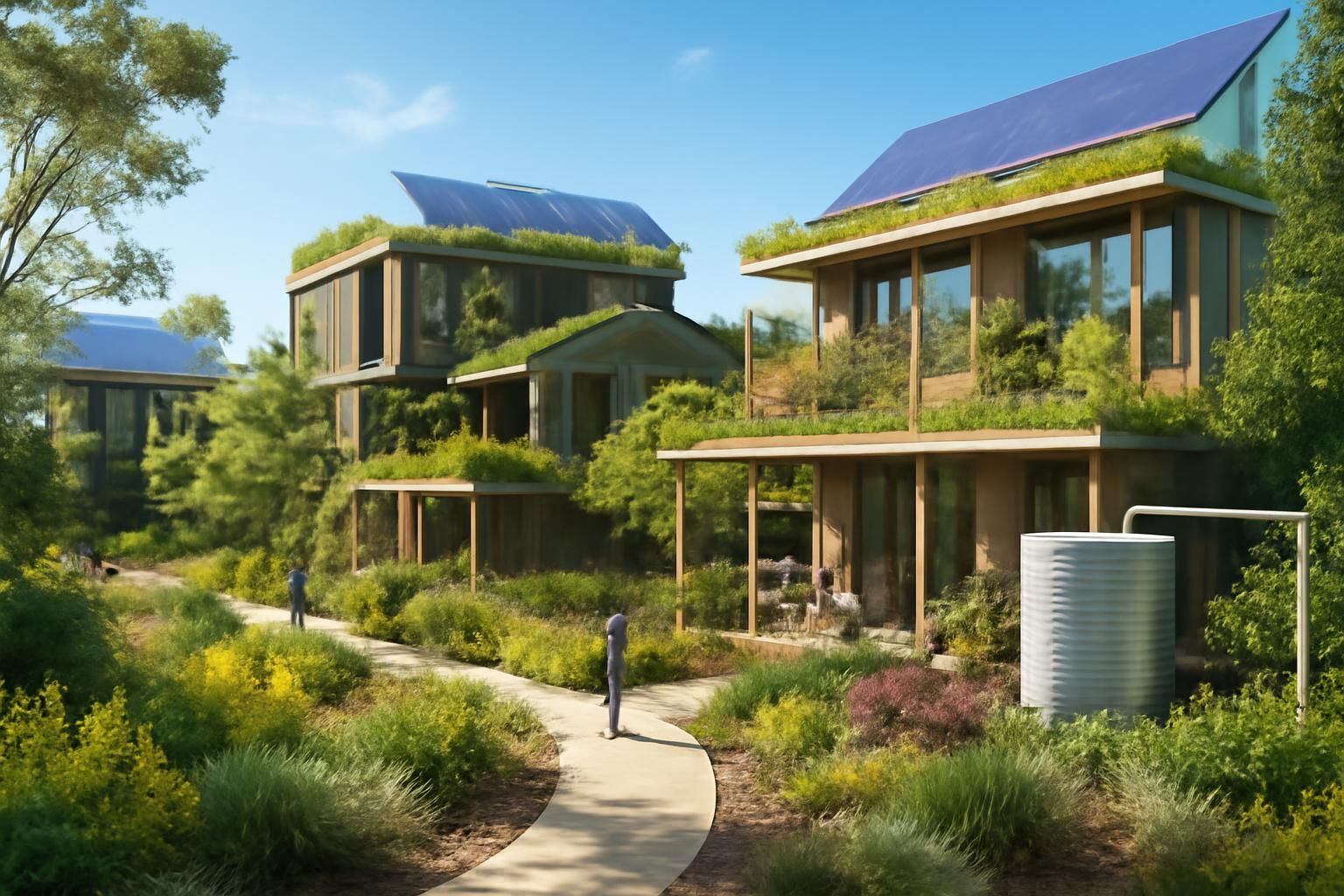
Brisbane is at the forefront of a transformation that blends urban development with environmental consciousness. As the city faces rapid population growth and evolving housing needs, the market response is a surge in sustainable housing developments that prioritize green building practices, energy efficiency, and community wellbeing. Increasingly, homebuyers in Brisbane favor eco-friendly homes designed to reduce the carbon footprint while incorporating renewable energy systems. This shift aligns with government policies focusing on lowering environmental impact, supporting affordable housing, and enhancing urban livability.
Key to this sustainable movement are ambitious projects emerging across Queensland, aiming not only to meet modern expectations but to set new benchmarks for environmental stewardship. These initiatives integrate advanced technologies such as solar power, water harvesting, and electric vehicle (EV) infrastructure within thoughtfully designed communities. By fostering green spaces and leveraging climate-responsive architecture, Brisbane’s sustainable developments offer a compelling alternative to conventional housing, signaling a promising future for residents and the region’s ecosystem alike.
- Strong demand for sustainable housing: More than half of Australian buyers prioritize environmental impact in their property choices.
- Government incentives and regulations: Enhanced energy efficiency standards from 2024 are pushing innovative green building strategies.
- Cutting-edge residential projects: Brisbane hosts developments like Urban Forest and Gaia that combine nature with urban living.
- Community-focused design: Developments include shared EV programs and extensive green parklands encouraging eco-conscious lifestyles.
- Industry expertise: Pioneering builders with decades of sustainable design experience contribute to market evolution.
Green Building Innovations Shaping Brisbane’s Urban Landscape
Urban development in Brisbane is increasingly influenced by green building principles that target sustainability on multiple fronts: environmental, economic, and social. At the heart of this shift is a determination to reduce energy consumption, minimize waste, and integrate renewable resources within residential projects.
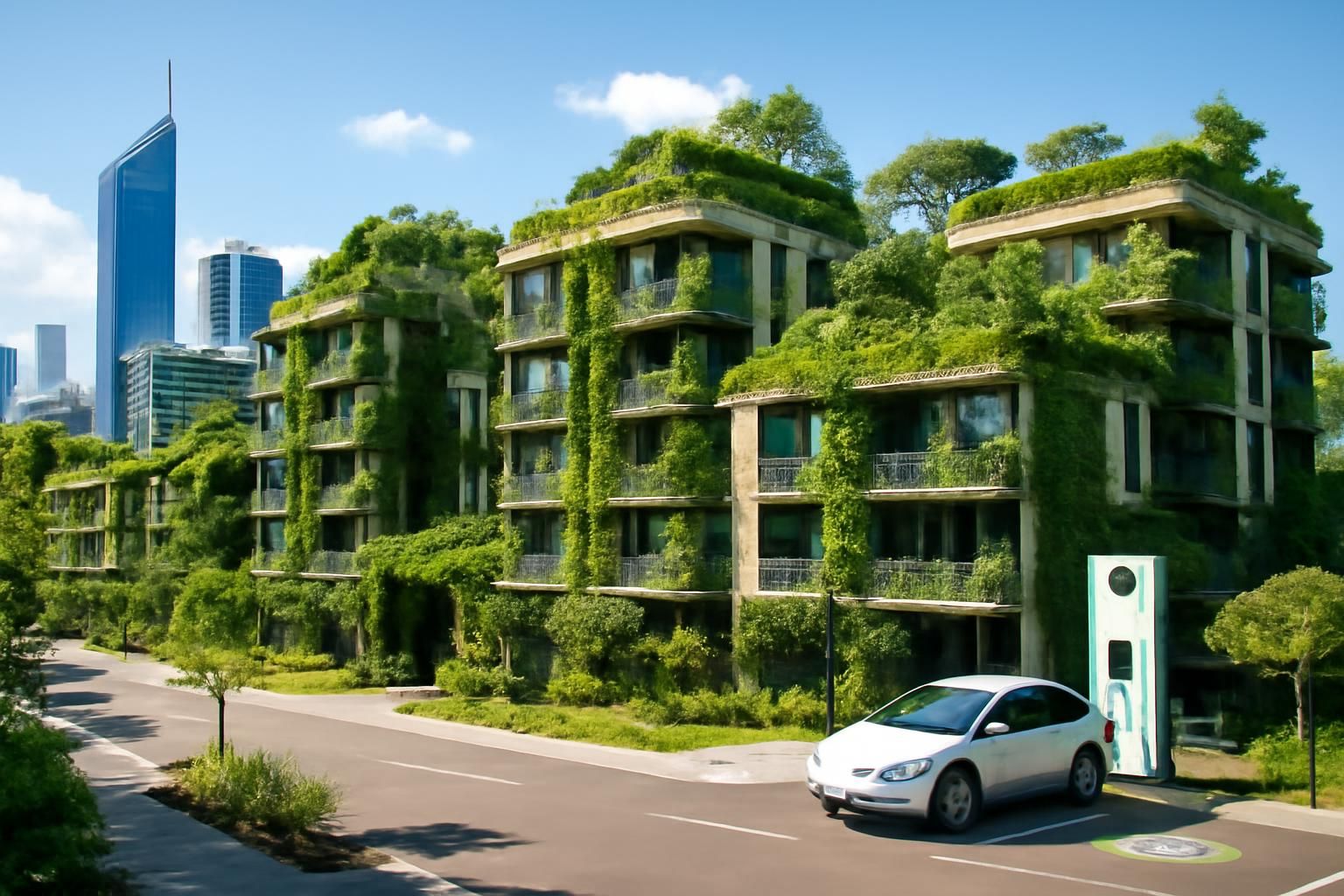
Among Brisbane’s standout projects, Urban Forest serves as a landmark example, developed by the Aria Property Group with an aim to be the world’s greenest residential building. Koichi Takada Architects designed this development to feature over 550 trees and 25,000 plants from native species along its façade, creating microclimates that significantly improve air quality and reduce urban heat island effects. Its ambitious 6-star Green Star Rating target reflects adherence to rigorous sustainability standards, ensuring high energy efficiency and low operating emissions.
The Urban Forest project also demonstrates innovation in communal infrastructure through its 13 shared electric vehicles, promoting reduced reliance on private car ownership and contributing to lower carbon emissions and less traffic congestion.
This development’s integration of renewable energy sources such as solar panels, rainwater harvesting, and greywater systems positions it as a blueprint for future eco-friendly urban living in Brisbane. The use of sustainably sourced materials during construction furthers a lifecycle approach to minimizing environmental impact. Such strategies exemplify how modern urban architecture can harmonize with natural processes, supporting both residents and ecosystems.
Brisbane City Council supports similar initiatives encompassing housing supply planning with a focus on sustainable outcomes, balancing population growth with biodiversity conservation. More details on planning strategies can be found on their dedicated housing supply page.
Community Wellbeing Through Eco-Friendly Housing Developments
As the demand for sustainable housing grows, Brisbane’s developments emphasize community health and social well-being as core principles. One such project, Gaia, spearheaded by the Pikos Group, exemplifies this approach by incorporating Brisbane’s largest private riverside parkland spanning 5,300 square meters and more than 20 nature-focused and leisure zones.
Gaia’s design prioritizes natural ventilation features that reduce the need for mechanical air conditioning. Strategically orientated corridors allow airflow, complemented by bedroom fans for added comfort. This passive design not only curbs electricity consumption but also supports healthier indoor air quality for residents.
Green transport initiatives like EV charging stations, extensive bike racks, and shared community workshops promote sustainable living habits and foster social interaction among inhabitants. By enabling on-site repair of broken items, the community actively combats waste generation.
The two 15-level towers housing 215 premium apartments reflect how architecture can coalesce with nature to prevent heat island effects commonly seen in urban cores. The careful balance between built form and open green spaces allows the community to enjoy both privacy and shared amenities, reinforcing neighborhood cohesion.
Sustainable housing developments such as Gaia underscore Brisbane’s commitment to fostering affordable housing options that do not compromise environmental and social goals, offering residents access to both modern comfort and nature’s benefits.
The Role of Renewable Energy in Brisbane’s Housing Future
The integration of renewable energy has become a hallmark of sustainable residential developments in Brisbane. As energy efficiency standards tighten, contemporary housing projects increasingly incorporate advanced solar power systems, virtual power plants, and community battery storage solutions to maximize onsite renewable energy use.
A prime example of this is the GemLife Moreton Bay community. It achieves nearly 80% onsite renewable energy through rooftop solar arrays combined with shared batteries. This virtual power plant configuration not only generates clean energy but also stabilizes supply and supports the local grid during peak demand.
Additionally, GemLife’s deliberate ecological planning protects native wildlife habitats and enhances biodiversity, integrating the built environment harmoniously within the surrounding landscape. More than 60% of the site is preserved for koala habitats and green spaces.
This approach is indicative of a broader trend in the region whereby sustainable development moves beyond building design alone to encompass ecosystem regeneration and community resilience. Such initiatives contribute to a reduced environmental impact while providing tangible benefits to homeowners through energy cost savings and improved quality of life.
Residential renewable energy integration reflects a growing emphasis on self-sufficient living and aligns with Queensland’s vision for a sustainable future.
Urban Development Policies Encouraging Sustainable Growth
Brisbane’s urban development trajectory is influenced heavily by policies aimed at sustainable growth and improved housing supply. The Brisbane Sustainable Growth Strategy outlines key priorities, including limiting greenfield developments and incentivizing construction within existing urban footprints to minimize land consumption and preserve biodiversity.
One innovative strategy emerging is the “tall over sprawl” approach, advocating for higher density developments in suburban centers. This initiative supports increased residential capacity in locations with existing amenities and transport infrastructure, reducing car dependency and further encouraging eco-friendly behaviors.
These planning measures also emphasize the delivery of social and affordable housing aligned with sustainability objectives. Collaborative ventures like those between QIC and Brisbane Housing Company have enabled the launch of numerous new homes certified for environmental and economic sustainability, underscoring a commitment to inclusive housing solutions.
Balancing rapid population growth while maintaining rich biodiversity requires holistic urban planning. Stakeholder engagement, regulatory frameworks, and community education all play pivotal roles in transitioning Brisbane into an exemplar for sustainable city living.
For homeowners and developers alike, comprehensive insights into Brisbane’s housing supply and planning strategies are available and serve as guides for responsible investment and development practices.
The Expertise Behind Brisbane’s Eco-Friendly Homes
Delivering truly sustainable homes demands expertise in both design and construction stages that reflect deep commitment to environmental stewardship. Brisbane hosts a network of skilled professionals, such as Project Habitation, renowned for bespoke sustainable designs that optimize Queensland’s climate benefits and resource efficiency.
With over 35 years of combined experience, sustainable building teams engage clients throughout the design process to align housing projects with goals of reducing energy use, material waste, and water consumption. Passive design principles like zoning for solar access, natural ventilation, and use of renewable materials are central to these projects.
Many builders have developed signature approaches, including unique recipes for sustainable housing that combine modern technology with traditional environmental practices. The commitment extends from luxury bespoke homes to large-scale communities, showcasing versatility in scale and architectural style while maintaining rigorous sustainability benchmarks.
Client testimonials frequently highlight collaborative processes and impressive outcomes, such as homes achieving ambitious environmental certification levels that exceed typical standards while enhancing lifestyle quality.
Choosing a knowledgeable team who prioritizes green building is essential for those seeking to create lasting, eco-friendly homes in Brisbane.
Sustainable Housing and Affordable Living in Brisbane’s Growth Areas
Brisbane’s housing market growth is accompanied by opportunities to address affordability without sacrificing sustainability. Increasingly, developments are designed to serve diverse demographics with innovative financing and design strategies.
Cedar Woods Properties, for example, provides award-winning estates that include green building components while keeping homes accessible to a broad buyer base. Their projects in fast-growing suburbs integrate infrastructure investments that support transit, schools, and community amenities, attracting families and individuals committed to sustainable lifestyles.
Environmental responsibility is no longer the exclusive domain of high-end properties. The expansion of affordable yet sustainable communities signals progressive change. Features such as energy-efficient appliances, water-saving fittings, and solar-ready wiring have become standard expectations rather than luxury add-ons.
Government initiatives supporting affordable housing in Brisbane complement market trends, creating a fertile environment for expanded access to quality sustainable homes.
This evolving synergy between affordability and eco-consciousness is reshaping Brisbane’s real estate landscape for the foreseeable future.
Benefits of Sustainable Housing: Environmental, Economic, and Social
Investing in sustainable housing provides multiple benefits across environmental, economic, and social dimensions. On an ecological level, green buildings significantly lower carbon footprints through energy-efficient designs and renewable energy integration. Reduced greenhouse gas emissions contribute positively to climate resilience efforts.
Economically, residents gain from lowered utility bills due to decreased energy and water consumption. Properties designed with durability and low maintenance materials reduce long-term upkeep costs. The rising popularity of sustainable homes also enhances resale values, reflecting market preference for responsible living environments.
Socially, sustainable developments foster healthy living through better indoor air quality, access to green spaces, and community amenities geared toward well-being. Enhanced biodiversity in and around residential areas improves urban ecosystems while offering residents recreation and relaxation opportunities.
These combined advantages validate why more Brisbane residents are opting for sustainable housing, viewing it as an investment in their health, finances, and the planet’s future.
| Aspect | Benefit | Example |
|---|---|---|
| Energy Efficiency | Lower utility bills, reduced emissions | Solar panels, natural ventilation in Gaia |
| Environmental Impact | Enhanced biodiversity, lower pollution | Urban Forest’s green facades with native species |
| Social Well-being | Community engagement, healthy lifestyles | Shared EV cars and workshops at Gaia |
Technological Advances Driving Energy Efficiency in Brisbane Homes
Recent technological progress has propelled the evolution of energy efficiency in Brisbane’s sustainable housing market. Smart home systems enable residents to monitor and adjust their energy use effortlessly, promoting conscious consumption. Automated lighting, heating, and cooling optimize comfort while minimizing waste.
Innovations like battery storage paired with rooftop solar facilitate energy independence, storing excess power to be used during peak hours or outages. Electric vehicle charging stations integrated within residential developments support transitions to clean transport methods.
Builders and developers continue to incorporate advanced building materials with high thermal performance and low embodied energy. The adoption of modular construction methods also contributes by reducing on-site waste and speeding delivery times.
Collectively, these innovations strengthen Brisbane’s position as a hub for sustainable housing, meeting the ecological demands of a growing population with smart, responsible solutions. Companies like Cedar Woods Properties exemplify this trend through award-winning developments that combine technology with green principles.
What features make a housing development truly sustainable?
Key features include energy-efficient design, renewable energy integration, water conservation systems, use of sustainable materials, and community-focused amenities such as green spaces and EV infrastructure.
How do Brisbane’s sustainable developments reduce carbon footprints?
They use solar energy, implement greywater and rainwater recycling, offer shared electric vehicles, and prioritize natural ventilation and greenery to reduce energy consumption and emissions.
Are affordable housing and sustainability compatible in Brisbane?
Yes, many new developments integrate green features while maintaining cost-effective designs, supported by government initiatives and innovative financing models.
What role does urban planning play in promoting sustainable housing?
Urban planning guides density, infrastructure location, green space preservation, and resource-efficient building practices to create resilient, eco-friendly communities in line with population growth.
Where can I find professional sustainable home design in Brisbane?
Specialized firms like Project Habitation offer expert sustainable design and construction services, ensuring homes are tailored to climate and eco-friendly principles.